
Mustang Trek: Complete Guide, Itinerary, Cost, Difficulty, Permits 2026–2027
21st Aug, 2026
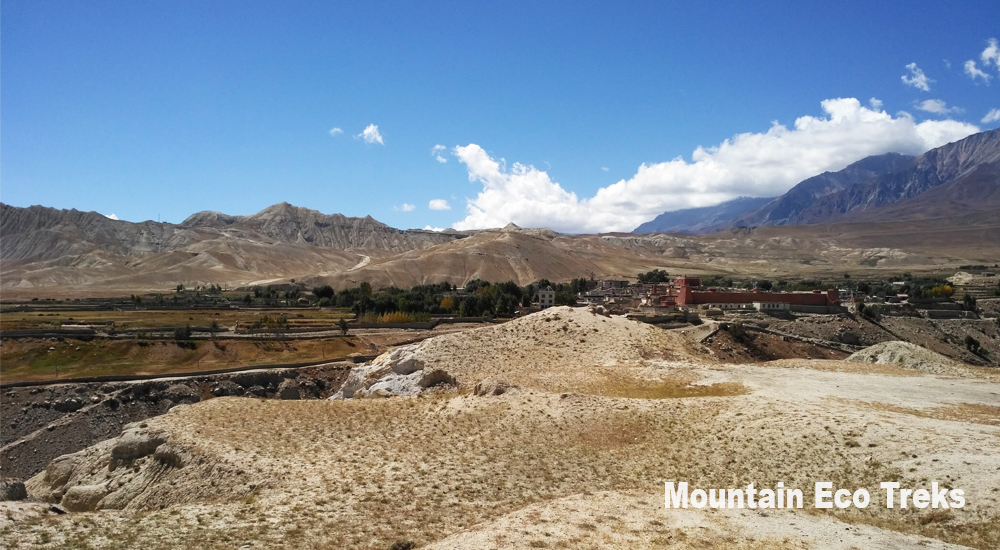
If you've already explored Nepal's popular trekking routes and are looking for something more remote, culturally fascinating, and completely different from the lush Himalayan valleys, the Upper Mustang Trek should be high on your list. Often described as Nepal's "Forbidden Kingdom," Upper Mustang takes you into a dramatic trans-Himalayan landscape of red cliffs, deep canyons, ancient monasteries, medieval villages, and centuries-old Tibetan Buddhist traditions.
Table of Contents
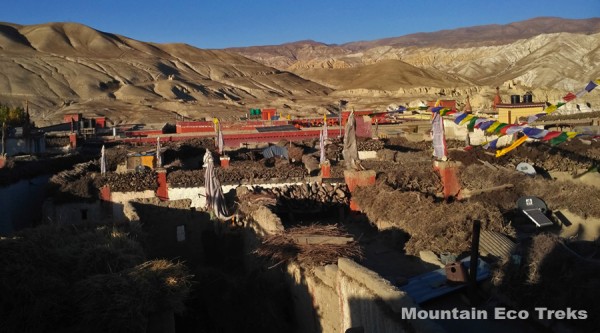
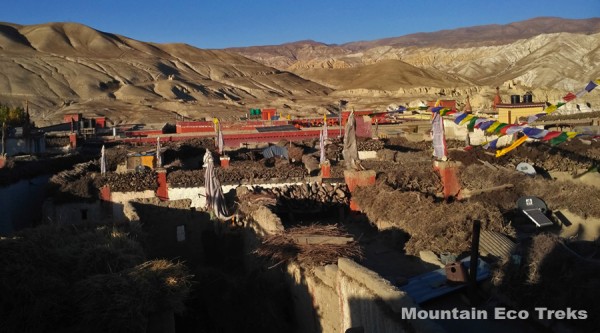
Located in the rain-shadow region north of the Annapurna and Dhaulagiri ranges, Upper Mustang feels remarkably different from most of Nepal. The landscape is dry, windswept, and desert-like, while traditional whitewashed villages and ancient monasteries create a striking contrast against the surrounding brown and red mountains.
The highlight of the journey is Lo Manthang, the historic walled capital of the former Kingdom of Lo. Along the way, you encounter Kagbeni, Chele, Ghami, Tsarang, Lo Manthang, Chhoser, ancient cave settlements, Buddhist monasteries, prayer wheels, chortens, and spectacular views of the Nilgiri, Annapurna, Dhaulagiri and other Himalayan peaks.
This complete Upper Mustang Trek guide for 2026/2027 covers the itinerary, cost, difficulty, permits, best time to trek, accommodation, food, packing essentials, altitude, culture, safety, and frequently asked questions to help you plan your journey with confidence.
Upper Mustang Trek at a Glance
| Detail | Information |
|---|---|
| Destination | Upper Mustang, Nepal |
| Duration | Around 15 Days |
| Maximum Altitude | Approximately 3,840m at Lo Manthang |
| Trek Grade | Moderate |
| Starting Point | Kathmandu / Pokhara |
| Ending Point | Kathmandu |
| Main Destination | Lo Manthang |
| Accommodation | Hotels, lodges and teahouses |
| Best Season | March–May and September–November; monsoon is also favorable |
| Region | Mustang / Annapurna region |
| Highest Main Settlement | Lo Manthang |
| Special Permit | Upper Mustang Restricted Area Permit |
| Conservation Permit | Annapurna Conservation Area Permit (ACAP) |
| Guide | Licensed trekking guide required |
| Trek Style | Teahouse/lodge trekking |
| Landscape | High-altitude desert, cliffs, canyons, valleys and Tibetan plateau |
| Cultural Influence | Tibetan Buddhist |
Upper Mustang lies in the Himalayan rain shadow and is therefore considerably drier than many other trekking regions of Nepal. Nepal Tourism Board describes it as a geographically Tibetan-plateau-like region with a strongly preserved mountain culture.
What Makes Upper Mustang Trek Special?
Upper Mustang is not simply another Himalayan trekking route. It is a journey through one of Nepal's most culturally preserved landscapes.
The region was formerly the Kingdom of Lo and remained relatively isolated from the outside world for centuries. Although Upper Mustang was opened to foreign trekkers in 1994, its restricted status has helped preserve its distinctive architecture, traditions, monasteries and way of life.
The combination of ancient Tibetan Buddhist culture, spectacular Himalayan scenery, high-altitude desert landscapes and historic settlements makes Upper Mustang one of Nepal's most unique trekking destinations.
Upper Mustang Trek Highlights
Here are some of the major highlights you can expect during the trek:
1. Explore Lo Manthang
Lo Manthang is the cultural and historical heart of Upper Mustang. The ancient walled settlement contains traditional houses, monasteries, narrow lanes and important Buddhist cultural sites.
2. Walk Through the Himalayan Desert
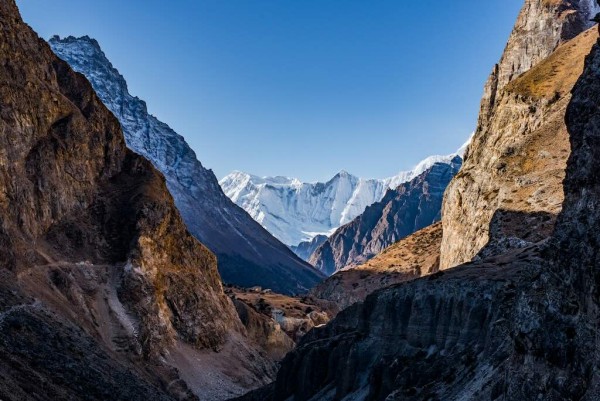
The dramatic landscape of Upper Mustang includes enormous cliffs, barren hills, deep valleys and naturally sculpted rock formations. The scenery is completely different from the green forests of lower Nepal.
3. Visit Ancient Buddhist Monasteries
The trek provides opportunities to visit centuries-old monasteries, chortens, mani walls and prayer wheels reflecting the strong Tibetan Buddhist heritage of the region.
4. Discover Chhoser and Ancient Cave Settlements
The caves around Chhoser are among Upper Mustang's most fascinating attractions. These ancient cliffside settlements demonstrate the extraordinary adaptation of Himalayan communities to their environment.
5. Experience Tibetan-Influenced Culture
Traditional architecture, Buddhist rituals, festivals, clothing, agriculture and hospitality remain important parts of daily life in Upper Mustang.
6. Enjoy Dramatic Himalayan Views
Depending on weather and route, you can see spectacular mountain landscapes involving the Annapurna, Dhaulagiri, Nilgiri and other Himalayan ranges.
7. Visit Kagbeni
Kagbeni is the traditional gateway to Upper Mustang. Its narrow alleys, ancient houses, monastery and strategic location beside the Kali Gandaki make it an important cultural stop.
8. Trek in the Rain Shadow
Upper Mustang is one of Nepal's best trekking destinations during the monsoon because it lies north of the main Himalayan barrier and receives considerably less rainfall than many other parts of Nepal.
Upper Mustang Trek Route
A popular Upper Mustang itinerary follows the route:
Kathmandu → Pokhara → Jomsom → Kagbeni → Chele → Syangboche → Ghami → Charang → Lo Manthang → Chhoser → Ghami → Samar → Chussang → Muktinath → Jomsom → Pokhara → Kathmandu
The exact route can vary according to road conditions, flight schedules, acclimatization requirements and the trekking agency's itinerary.
Upper Mustang Trek Itinerary – 15 Days
Day 1 : Arrival in Kathmandu and transfer to the hotel.
Day 2 : In Kathmandu with a sightseeing tour around world heritage sites.
Day 3 : Drive to Pokhara 820m (220 k.m) - 06 hrs journey
Day 4 : Fly to Jomsom 2,715m 22 mins trek to Kagbeni 2,807m - 04 hrs.
Day 5 : Trek to Chussang (Tsusang) 2,920 m - 06 hrs.
Day 6 : Trek to Samar 3,290 m - 06 hrs.
Day 7 : Trek to Ghiling 3,600 m - 06 hrs.
Day 8 : Trek to Tsarang (Charang) 3,520 m - 05 hrs.
Day 9 : Trek to Lo Manthang 3,780 m /12,402 ft -05 hrs
Day 10 : At Lo Manthang rest day with the local excursion.
Day 11 : Trek to Ghami 3,440 m - 06 hrs.
Day 12 : Trek to Samar 3,150 m - 05 hrs.
Day 13 : Trek to Kagbeni -05 hrs and transfer to lodge.
Day 14 : Trek to Jomsom 2,715 m - 04 hours.
Day 15 : From Jomsom fly to Pokhara and transfer to the hotel by Phewa Lake.
Day 16 : Drive back to Kathmandu and transfer to respective hotels.
Day 17 : International departure for homeward bound.
Upper Mustang Trek Cost 2026–2027
The total cost of an Upper Mustang Trek depends on the itinerary, number of trekking days, transportation, accommodation category, group size, guide and porter services, permits and season.
A typical package may include:
Cost Includes
- Airport arrival and departure transfers
- Hotel accommodation in Kathmandu and/or Pokhara according to itinerary
- Kathmandu–Pokhara transportation
- Pokhara–Jomsom–Pokhara transportation/flight according to itinerary
- Licensed trekking guide
- Porter service where included
- Teahouse/lodge accommodation during trekking
- Meals during the trekking section according to the package
- Upper Mustang Restricted Area Permit
- Annapurna Conservation Area Permit
- TIMS or applicable trekking registration where required
- Guide and porter salary, food, accommodation and insurance
- Government taxes and service charges
- Trekking map
- First-aid support
Cost Excludes
- International airfare
- Nepal entry visa
- Travel insurance
- Emergency helicopter evacuation
- Personal expenses
- Hot showers and electronic charging
- Wi-Fi and telephone expenses
- Alcoholic beverages
- Snacks and bottled drinks
- Personal trekking equipment
- Tips for guide and porter
- Extra accommodation or meals caused by flight cancellation, weather or unforeseen circumstances
Important: Because Upper Mustang permit regulations and transportation costs can change, confirm the final package price and inclusions with your trekking agency before booking.
Upper Mustang Trek Permit 2026
Upper Mustang is a restricted trekking area, so foreign trekkers need a special Restricted Area Permit.
Nepal Tourism Board currently lists the Upper Mustang Restricted Area Permit at USD 50 per person per day.
For example:
| Restricted-Area Days | Approx. RAP Cost |
| 5 days | USD 250 |
| 7 days | USD 350 |
| 10 days | USD 500 |
| 12 days | USD 600 |
| 14 days | USD 700 |
The final permit calculation should always be confirmed with your registered trekking agency because the applicable route and permit dates determine the fee.
Annapurna Conservation Area Permit
Upper Mustang lies within the Annapurna Conservation Area, so an ACAP permit is also required for foreign trekkers.
Current 2026 trekking sources list the ACAP fee for foreign nationals at NPR 3,000.
TIMS Card
Upper Mustang is specifically listed by Nepal Tourism Board among the routes where a licensed guide and agency-issued TIMS card are required under the revised TIMS provisions.
However, trekking regulations can be updated, and restricted-area permit systems have changed recently. Your registered trekking agency should verify the exact documentation applicable to your departure date.
Upper Mustang Trek Difficulty
The Upper Mustang Trek is generally considered a moderate trek rather than an extreme high-altitude expedition.
You do not need technical climbing skills, but you should be physically fit enough to walk approximately 5–7 hours on consecutive days.
Main Challenges
- Long trekking days
- High-altitude terrain
- Dry and windy conditions
- Strong sunlight
- Limited facilities in remote villages
- Repeated ascents and descents
- Sleeping at elevations above 3,000m
- Possible altitude-related symptoms
- Rough road and flight conditions
The highest main settlement, Lo Manthang, is around 3,840m, which is considerably lower than the highest points reached on Everest Base Camp or many high-pass treks.
For most reasonably fit hikers, the trek is achievable with proper preparation and a sensible pace.
Is Upper Mustang Trek Suitable for Beginners?
Yes, physically prepared beginners can undertake the Upper Mustang Trek, especially with a licensed guide and a properly designed itinerary.
Previous trekking experience is helpful but not absolutely necessary.
You should be comfortable walking for several hours a day and should prepare with regular walking, hiking, stair climbing and cardiovascular exercise before arriving in Nepal.
People with medical conditions or concerns about high altitude should consult an appropriate medical professional before trekking.
Best Time for Upper Mustang Trek
One of Upper Mustang's greatest advantages is its rain-shadow location.
Unlike many trekking regions in Nepal, Upper Mustang can be visited during the summer monsoon. Nepal Tourism Board specifically notes that its position in the Himalayan rain shadow makes the area suitable for trekking even during the monsoon season.
Spring: March to May
Spring offers:
- Comfortable daytime temperatures
- Clear mountain views
- Pleasant trekking conditions
- Increasingly warm weather
- Opportunities to experience local cultural events
Rating: Excellent
Summer/Monsoon: June to August
While much of Nepal experiences heavy monsoon rainfall, Upper Mustang remains comparatively dry.
This makes June, July and August particularly attractive for trekkers who want to explore Nepal during the monsoon.
Rating: Excellent for rain-shadow trekking
Autumn: September to November
Autumn is one of the most popular trekking seasons in Nepal.
You can expect:
- Clearer skies
- Excellent mountain visibility
- Comfortable daytime temperatures
- Stable trekking conditions
Rating: Excellent
Winter: December to February
Winter brings cold temperatures and possible snowfall. Some lodges and services may operate on a reduced basis.
Experienced trekkers can still visit, but winter requires better cold-weather preparation.
Rating: Possible but challenging
Upper Mustang Trek Weather
The climate is generally dry compared with southern Himalayan valleys.
During the day, strong sunshine can make the temperature feel warm, while temperatures drop rapidly after sunset.
The famous Mustang wind commonly becomes stronger later in the day, so early morning starts are recommended.
Always carry:
- Warm layers
- Windproof jacket
- Sun protection
- Sunglasses
- Hat
- Sunscreen
- Lip balm
- Adequate drinking water
Accommodation During Upper Mustang Trek
Accommodation is generally provided in local teahouses, guesthouses and lodges.
Facilities become more basic as you move deeper into the region.
Typical facilities include:
- Twin-sharing rooms
- Beds and mattresses
- Blankets
- Dining rooms
- Shared bathrooms
- Hot showers in some settlements
- Limited charging facilities
- Wi-Fi in selected places
Lo Manthang and Jomsom generally offer more accommodation choices than smaller villages.
A good sleeping bag is strongly recommended because nights at altitude can be cold.
Food on the Upper Mustang Trek
Teahouses generally serve a combination of traditional Nepali, Tibetan and simple international dishes.
Common options include:
- Dal bhat
- Rice
- Vegetable curry
- Noodles
- Pasta
- Momo
- Tibetan bread
- Thukpa
- Soups
- Potatoes
- Eggs
- Pancakes
- Porridge
- Tea
- Coffee
Dal bhat remains one of the best choices for trekkers because it provides carbohydrates, protein and energy for long trekking days.
Upper Mustang Trek Altitude and Acclimatization
Although Upper Mustang does not reach the extreme elevations of Everest Base Camp, altitude should still be taken seriously.
The itinerary gradually climbs from Jomsom at around 2,700m to Lo Manthang at around 3,840m.
Tips for altitude management
- Walk slowly
- Drink plenty of water
- Avoid excessive alcohol
- Eat regular meals
- Sleep adequately
- Do not ignore altitude sickness symptoms
- Tell your guide immediately if you feel unwell
- Descend if serious symptoms develop
A gradual itinerary is one of the most important elements of a safe Upper Mustang Trek.
Flora and Fauna of Upper Mustang
Upper Mustang's dry climate creates a very different ecosystem from Nepal's humid middle hills.
The landscape contains:
- Alpine grasses
- Shrubs
- Juniper
- Willow around water sources
- Cultivated fields around villages
- Hardy plants adapted to dry conditions
Wildlife can include:
- Himalayan blue sheep
- Marmots
- Himalayan birds
- Golden eagles
- Himalayan griffons
- Other high-altitude wildlife
Wildlife sightings are never guaranteed, but the remote environment creates excellent opportunities for nature lovers.
People and Culture of Upper Mustang
Culture is arguably the greatest attraction of the Upper Mustang Trek.
The people of Upper Mustang have strong cultural, linguistic and religious connections with the Tibetan plateau.
You will encounter:
- Tibetan Buddhist traditions
- Buddhist monasteries
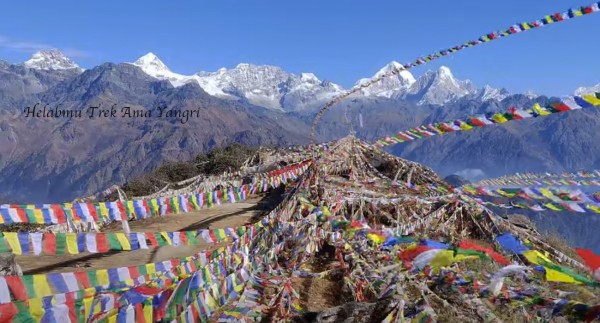
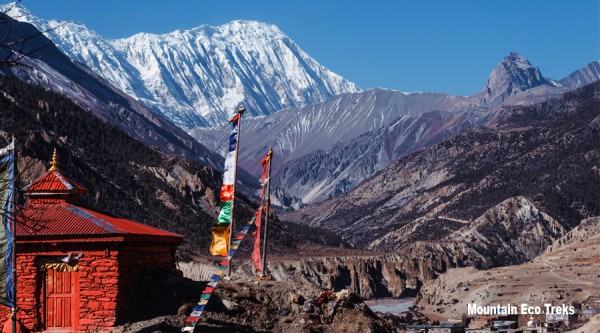
- Prayer flags
- Mani walls
- Chortens
- Prayer wheels
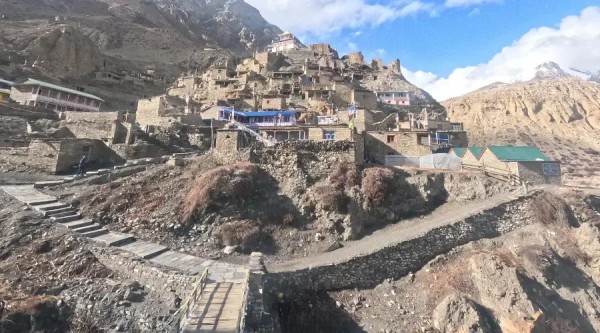
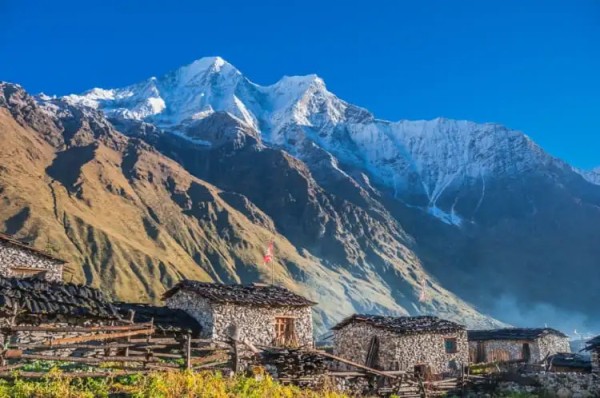
- Traditional stone and mud-brick houses
- Traditional agriculture
- Local festivals
- Tibetan-influenced architecture
The region's long period of relative isolation helped preserve many traditions that have disappeared or changed elsewhere.
Trekkers should always respect local customs, ask permission before photographing people, and dress appropriately when entering religious sites.
Major Attractions of Upper Mustang
Lo Manthang
The historic walled city is the cultural center of Upper Mustang and the most important destination on the trek.
Chhoser Caves
The dramatic caves carved into cliffs around Chhoser are among Mustang's most intriguing archaeological and cultural attractions.
Ghami
Ghami is famous for its traditional architecture and long mani wall.
Tsarang
Tsarang is known for its traditional settlement, monastery and striking surrounding landscape.
Kagbeni
Kagbeni is an ancient gateway village located at the entrance to the Upper Mustang region.
Muktinath
Muktinath is a major Hindu and Buddhist pilgrimage site and an important cultural destination at the end of the Mustang journey.
Kali Gandaki Valley
The trek follows sections of the historic Kali Gandaki valley, surrounded by some of the world's most spectacular mountain scenery.
Essential Packing List for Upper Mustang Trek
Clothing
- Thermal base layers
- Fleece jacket
- Down jacket
- Windproof jacket
- Waterproof jacket
- Trekking pants
- Warm hat
- Sun hat
- Gloves
- Trekking socks
- Thermal socks
- Comfortable underwear
Trekking Gear
- 40–60L backpack
- Duffel bag
- Sleeping bag
- Trekking poles
- Headlamp
- Water bottle
- Water purification tablets/filter
- Sunglasses
- Sunscreen
- Lip balm
- Personal first-aid kit
Footwear
- Good-quality trekking boots
- Camp shoes/sandals
- Extra socks
Documents
- Passport
- Nepal visa
- Travel insurance
- Trekking permits
- Emergency contact details
- Copies of important documents
Because Upper Mustang is dry, windy and exposed to strong sunlight, good sun protection is particularly important.
Travel Insurance and Emergency Evacuation
Travel insurance is strongly recommended for every Upper Mustang trek.
Your insurance should ideally cover:
- Trekking at the maximum altitude of your itinerary
- Medical treatment
- Emergency evacuation
- Helicopter rescue
- Trip cancellation
- Trip interruption
- Lost baggage
- Repatriation where applicable
Before departure, carefully check the altitude limit written in your insurance policy.
Do not assume that a standard travel insurance policy automatically covers trekking at altitude.
Responsible Tourism in Upper Mustang
Upper Mustang has a fragile environment and a remarkably preserved cultural heritage.
As a responsible trekker:
- Carry your rubbish back or dispose of it properly
- Avoid single-use plastics
- Use refillable water bottles
- Do not damage ancient caves or monuments
- Respect monasteries and religious sites
- Ask before taking photographs of local people
- Avoid wasting water
- Support local lodges and businesses
- Follow your guide's environmental advice
- Do not remove archaeological or cultural objects
Responsible tourism helps ensure that future generations can experience the same remarkable Upper Mustang landscape.
Upper Mustang Trek FAQs
How difficult is the Upper Mustang Trek?
Upper Mustang is generally a moderate trek. The main challenges are long walking days, altitude, dry terrain and strong winds rather than technical climbing.
How high is Lo Manthang?
Lo Manthang is approximately 3,840m (12,600 ft) above sea level.
Do I need a special permit for Upper Mustang?
Yes. Upper Mustang is a restricted area and foreign trekkers require the appropriate Restricted Area Permit. Nepal Tourism Board currently lists the fee at USD 50 per person per day.
How much does the Upper Mustang permit cost in 2026?
The current Restricted Area Permit is USD 50 per person per day. A 10-day restricted-area stay would therefore cost USD 500 per person, before other applicable permits and fees.
Do I need an ACAP permit?
Yes. Upper Mustang is within the Annapurna Conservation Area, so trekkers also require the applicable ACAP permit. Current 2026 sources list the foreign-national ACAP fee at NPR 3,000.
Can I trek Upper Mustang during the monsoon?
Yes. Upper Mustang is located in the Himalayan rain shadow, making it one of Nepal's best options for trekking during the June–August monsoon period.
Can beginners do the Upper Mustang Trek?
Yes. Beginners with good physical fitness can complete the trek with appropriate preparation, acclimatization and professional guide support.
Is Upper Mustang suitable for family trekking?
It can be suitable for physically capable families with older children, provided the itinerary is paced appropriately and the family is comfortable with altitude and several hours of walking each day.
What is the best month for Upper Mustang Trek?
April, May, October and November are excellent choices for generally favorable trekking conditions. June–August can also be excellent if you specifically want to explore a Himalayan rain-shadow region during Nepal's monsoon.
What is Upper Mustang famous for?
Upper Mustang is famous for its ancient Tibetan Buddhist culture, Lo Manthang, cliff caves, monasteries, traditional villages, dramatic high-altitude desert landscapes and history as the former Kingdom of Lo.
How long does the Upper Mustang Trek take?
A standard itinerary is commonly around 15 days from Kathmandu to Kathmandu, although shorter and longer itineraries are possible.
Why Choose Mountaine Eco Treks for Upper Mustang Trek?
Upper Mustang requires careful preparation because it is a restricted trekking region with special permits, limited infrastructure and rapidly changing mountain weather.
Booking through an experienced registered trekking agency allows you to travel with the necessary permits, licensed guide, transportation arrangements and logistical support.
Mountaine Eco Treks offers Upper Mustang Trek arrangements designed to provide a safe, comfortable and culturally immersive experience in this extraordinary region.
You can check the current trip details, itinerary and booking information on the Mountaine Eco Treks Upper Mustang Trek page before confirming your departure.
Plan your Upper Mustang adventure and discover the legendary Forbidden Kingdom of Lo.
Final Thoughts
The Upper Mustang Trek 2026/2027 is one of Nepal's most extraordinary cultural and adventure journeys. It combines dramatic Himalayan landscapes with ancient Buddhist traditions, medieval settlements, mysterious cliff caves and the unforgettable atmosphere of Lo Manthang.
Unlike the greener trekking routes of Everest, Annapurna and Langtang, Upper Mustang offers a completely different experience: a high-altitude desert surrounded by some of the world's highest mountains.
Whether you are fascinated by Himalayan culture, ancient civilizations, photography, geology, Buddhist heritage or remote mountain landscapes, Upper Mustang offers something genuinely unique.
If your dream is to travel beyond the conventional Himalayan trails and experience one of Nepal's most culturally preserved regions, Upper Mustang Trek should be on your 2026/2027 Nepal trekking bucket list.
Recent From Blog

19th Apr, 2019


23rd Dec, 2018

11th Jan, 2024

14th Jan, 2024

29th Jan, 2025

11th Feb, 2025

18th Feb, 2025

25th Feb, 2025

5th Apr, 2025
23rd Dec, 2025
9th May, 2026
12th Jul, 2026

13th Aug, 2026
13th Aug, 2026
13th Aug, 2026

16th Aug, 2026
20th Aug, 2026


11th Sep, 2026
24th Sep, 2026
25th Sep, 2026